Keeping your air conditioning system in good shape in Dallas requires more than just turning it on and hoping for the best. When summer temperatures push past 100 degrees and stay there for weeks at a time, a system that hasn’t been properly maintained will struggle to keep up, and the consequences show up quickly in both comfort and energy costs. At Ellis AC & Furnace Repair, we help Dallas homeowners stay ahead of those consequences through a combination of professional service and informed day-to-day habits. Scheduling regular air conditioning maintenance with a qualified technician is the most important step any homeowner can take, but there are also several things you can monitor between professional visits to keep your system performing efficiently.
How to Check and Replace Your Air Filters for Optimal Performance
Air filter maintenance is one of the simplest and most impactful things a homeowner can do to support their AC system between professional service visits. The filter is typically located near the air handler or return vent, and inspecting it takes only a few minutes.
Pull the filter out and examine it visually. If it’s visibly clogged with dust and debris, it’s restricting airflow through the system and forcing the unit to work harder than necessary to maintain your set temperature. Standard filters generally need replacement every one to three months, while high-efficiency filters may last up to six months depending on usage and indoor air quality conditions. In Dallas neighborhoods like Oak Cliff and Far North Dallas, where dust levels can be significant during dry summer months, checking filters on the shorter end of that range is a smart habit.
When installing a replacement filter, confirm it’s oriented correctly according to the airflow direction arrow printed on the frame. A filter installed backwards restricts airflow just as effectively as a dirty one. Regular filter replacement improves indoor air quality, reduces energy consumption, and extends the life of your equipment over time.
How to Inspect and Clear Your HVAC Condensate Drain Line
The condensate drain line removes the moisture your AC system pulls from the air as it cools your home. When that line becomes clogged with algae, mold, or debris, water backs up into the drain pan and can eventually overflow, causing water damage to the surrounding area and potentially triggering the system’s safety shutoff.
Locating the drain line, which connects to the indoor unit, and checking it for visible blockages is a straightforward inspection any homeowner can perform. If a clog is present, a wet/dry vacuum attached to the end of the drain line can remove the obstruction effectively. Following that with a solution of diluted vinegar flushed through the line helps eliminate the biological buildup that causes recurring clogs.
Checking that the drain pan beneath the indoor unit is empty and free of standing water is an important final step. Standing water in the pan indicates that drainage isn’t occurring properly and that a more thorough inspection may be needed. In Dallas’s humid summer months, particularly in areas near the Trinity River greenbelt, condensate production is high and drain line maintenance becomes especially important for preventing moisture-related problems.
Clean Your Outdoor Unit for Better Performance
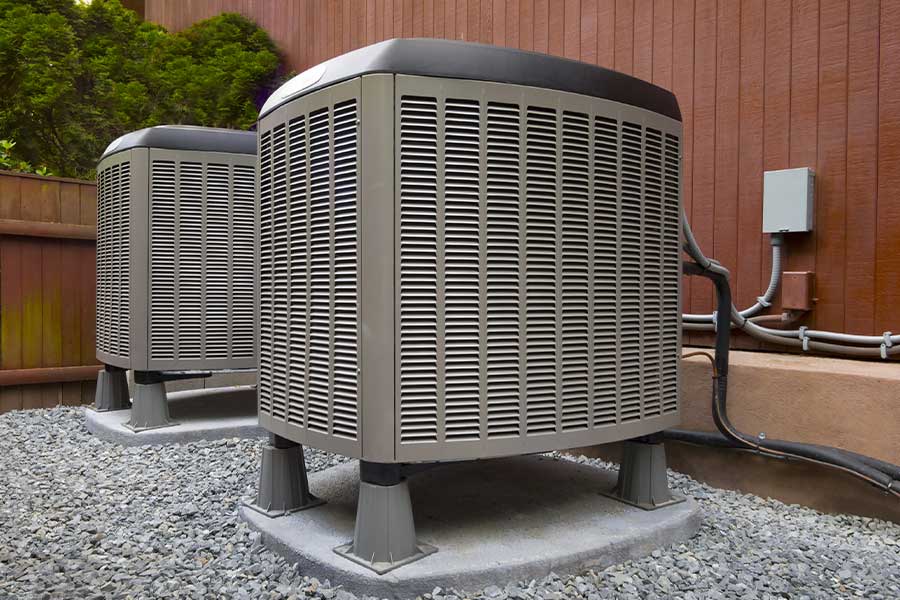
The outdoor condenser unit is responsible for releasing the heat your system pulls from inside your home, and its ability to do that job efficiently depends on having adequate airflow around and through the unit. Debris accumulation is one of the most common factors that reduces condenser performance and drives up energy consumption during peak cooling season.
Before performing any cleaning around the outdoor unit, always turn off power to the system at the disconnect box to ensure safety. Once the power is off, clear away leaves, grass clippings, and any other debris that has collected around the unit’s base and sides. Using a soft brush or a gentle stream from a garden hose, clean the exterior fins carefully to remove dust and dirt buildup. Avoid bending the fins during this process, as they play a critical role in heat exchange and damaged fins reduce the unit’s efficiency. For significant buildup on the coil surface, professional ac coil cleaning delivers a more thorough result than surface-level cleaning can achieve.
Trimming back any vegetation growing near the unit is also worth doing regularly. Plants and shrubs that grow too close to the condenser restrict airflow and can draw debris into the unit during operation. Maintaining at least 12 inches of clearance around all sides of the outdoor unit is a reasonable standard to follow.
Monitor Your Thermostat Settings for Efficiency
Your thermostat is the control center for your entire HVAC system, and how it’s configured has a direct impact on both your comfort and your monthly energy costs. Monitoring and optimizing thermostat settings is a simple habit that pays consistent dividends throughout the cooling season.
A few practices worth building into your routine include the following. Programming the thermostat to adjust temperatures automatically when you’re away from home or asleep reduces unnecessary runtime without sacrificing comfort when you’re actually in the house. Activating energy-saving modes during peak usage hours, typically the hottest part of the afternoon in Dallas, reduces strain on the system and keeps operating costs lower. Periodically verifying that the thermostat is reading temperatures accurately is also worthwhile, as a thermostat that’s off by even a few degrees will cause the system to run longer or shorter cycles than it should.
Upgrading to a smart thermostat is an investment that many Dallas homeowners find pays for itself relatively quickly through improved energy management. Smart thermostats learn usage patterns over time and make automatic adjustments that optimize both comfort and efficiency without requiring manual programming.
Schedule Professional HVAC Maintenance for Long-Term Care
The homeowner habits described above support your system between professional visits, but they don’t replace the value of annual professional maintenance. A qualified technician from Ellis AC & Furnace Repair can identify developing issues that aren’t visible or detectable without specialized tools and training, addressing them before they become breakdowns.
Professional maintenance includes a comprehensive inspection of all system components, cleaning of the coils and internal components, verification of refrigerant levels, electrical system checks, and an AC tune-up that optimizes overall performance heading into peak season. In Dallas, where the cooling season runs long and the demand on residential AC systems is substantial, having that annual professional touchpoint is what keeps systems running reliably year after year.
Working in homes across Dallas from Lakewood to Preston Hollow, Ellis AC & Furnace Repair consistently finds that the systems requiring the fewest emergency repairs are the ones on a consistent annual maintenance schedule. Building that relationship with a trusted service provider also means you have someone familiar with your specific system ready to respond when a question or concern comes up.
Keeping Your Dallas Home Comfortable All Year Long
Combining smart homeowner habits with regular professional service is the most effective strategy available for keeping your AC system efficient, reliable, and long-lasting through Dallas’s demanding climate. Checking filters, clearing drain lines, keeping the outdoor unit clean, and monitoring thermostat settings all contribute meaningfully to system performance between professional visits. None of them, however, replace the value of a thorough annual inspection and tune-up from a qualified HVAC technician.
Ellis AC & Furnace Repair is here to provide Dallas homeowners with the professional HVAC maintenance and repair services that keep systems performing at their best through every season. Contact our team today to schedule your maintenance visit and make sure your system is ready for whatever the Texas summer brings.