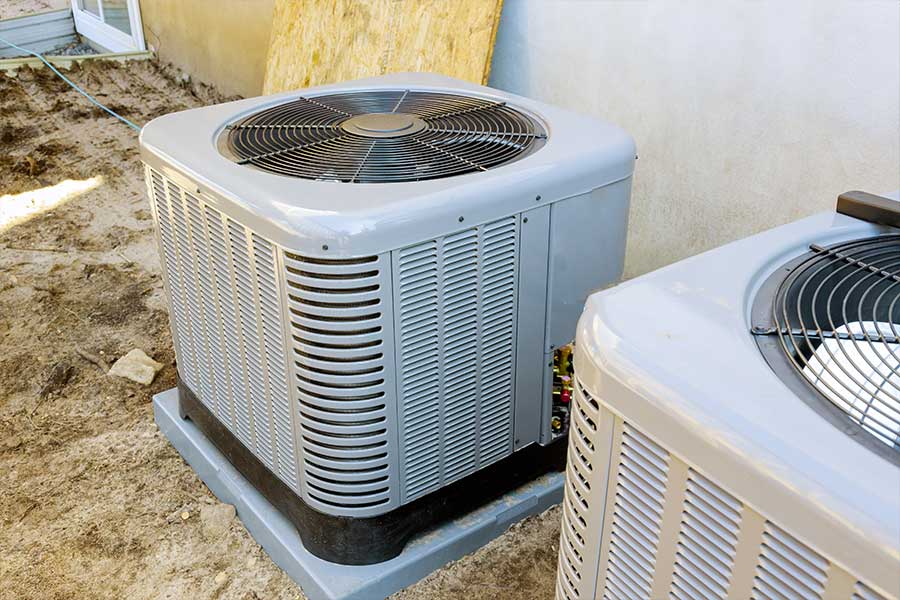
When your AC compressor starts making unusual noises in Dallas, it’s telling you something is wrong inside the system. Loud clanking can point to loose components, a high-pitched squeal often indicates a failing bearing, buzzing typically signals an electrical issue, and persistent clicking can mean something more serious is developing. At Ellis AC & Furnace Repair, we respond to these kinds of calls throughout Dallas every summer, and the homeowners who act quickly on unusual compressor sounds consistently avoid the more costly repairs that come from letting those issues run unchecked. Understanding what each noise means is the first step toward protecting your system.
Common Noises Indicating AC Compressor Problems
Your AC compressor communicates through sound, and learning to read those signals can save you from a full system breakdown during the hottest stretch of a Dallas summer. Here’s what the most common compressor noises typically indicate.
Loud clanking or banging usually points to loose parts or debris that has made its way inside the unit. A high-pitched squeal suggests the compressor is under significant strain, often from a failing bearing or a belt-related problem. A constant clicking sound that persists beyond the normal startup sequence can indicate electrical issues that need prompt professional evaluation. Buzzing frequently points to overheating or a malfunction within the compressor’s electrical components.
Each of these sounds carries meaningful diagnostic information. Based on what we see in Dallas properties during peak cooling season, compressor noise that’s ignored for even a few weeks can escalate from a minor mechanical issue into a component failure that requires AC compressor repair or full replacement. Early detection and professional service are the most cost-effective path forward.
Why Is My AC Compressor Making Noise in Dallas, TX?
Dallas summers place enormous demand on residential AC systems. From the neighborhoods near White Rock Lake to homes along the Preston Road corridor, cooling systems run for extended hours daily from late spring through early fall, and that sustained workload creates conditions where compressor problems are more likely to develop.
Rattling sounds often indicate loose internal components or debris caught inside the unit. A high-pitched squeal points to a failing bearing or a worn belt that’s no longer functioning properly. Buzzing is one of the more urgent sounds to hear, as it frequently signals electrical issues related to the capacitor or contactor, components that are critical to the compressor’s ability to start and run reliably. Understanding what’s behind these sounds helps Ellis AC & Furnace Repair technicians zero in on the right diagnosis quickly rather than working through a lengthy process of elimination.
Compressor noise also has a direct impact on system efficiency. A unit that’s struggling mechanically or electrically will consume more energy to produce the same output, which shows up on your monthly energy bill. Staying ahead of these issues with regular air conditioning maintenance is the most reliable way to keep your compressor running cleanly through the season.
Troubleshooting Noisy Compressors
When you notice unusual compressor noise, there are a few basic observations worth making before calling for service. These checks won’t replace a professional diagnosis, but they give your technician useful context and can sometimes identify a straightforward cause.
Start by checking whether the compressor is securely mounted. Loose mounting hardware can cause rattling and vibration that amplifies during operation. Tightening any visibly loose screws or bolts is a safe and simple first step. Inspect the fan blades on the outdoor unit for visible bending or obstructions. A damaged or blocked fan can produce a consistent whirring or grinding noise that’s easy to mistake for a compressor problem.
Check around the outdoor unit for visible signs of refrigerant leaks or oil accumulation, both of which can indicate internal compressor issues. Listen carefully for changes in sound patterns over time. A noise that’s getting progressively louder or more frequent is a strong indicator that the underlying issue is worsening. Low refrigerant levels are another common contributor to compressor strain and unusual sounds, as the unit works harder to compensate for reduced refrigerant charge. An AC capacitor replacement is also worth considering if the compressor is struggling to start or producing electrical buzzing sounds, as a failing capacitor is one of the more common causes of those symptoms.
If your observations point to anything beyond a loose mounting bolt or external debris, the appropriate next step is a professional evaluation from Ellis AC & Furnace Repair.
Signs You Need Professional Help With Your AC Compressor
Certain compressor symptoms make the case for professional service without any ambiguity. Ellis AC & Furnace Repair encourages Dallas homeowners to act promptly when any of the following signs appear.
Grinding, squealing, or clanking sounds that persist or worsen over time are clear indicators that something mechanical is failing inside the compressor. An unexplained spike in energy bills often means the compressor is working significantly harder than it should to maintain cooling output. Insufficient cooling throughout the home, even when the system is running continuously, points to a compressor that can no longer do its job effectively. Visible leaks around the outdoor unit, particularly refrigerant or oil, require immediate professional attention and should never be left unaddressed.
A compressor that repeatedly trips the circuit breaker is experiencing an electrical load problem that a qualified technician needs to diagnose. Continuing to reset the breaker without addressing the underlying cause puts the compressor and surrounding electrical components at risk of more serious damage. Ellis AC & Furnace Repair provides emergency HVAC repair for urgent situations where the system has failed completely or poses a safety concern. Ignoring these signs consistently leads to more extensive damage and higher repair costs than acting on them early would have required.
Preventive Maintenance Tips for Your AC System
Protecting your compressor from premature failure starts with consistent maintenance habits that keep the entire system operating within its designed parameters. Working in homes across Dallas, Ellis AC & Furnace Repair recommends the following practices for homeowners who want to get the most out of their AC systems.
Changing the air filter regularly is one of the simplest and most impactful steps available. A clean filter maintains proper airflow through the system, reducing the strain placed on the compressor during operation. Keeping the outdoor unit clear of leaves, grass, and other debris ensures the condenser can release heat efficiently, which directly affects how hard the compressor has to work to maintain cooling output.
Scheduling an annual air conditioning tune-up gives a qualified technician the opportunity to inspect the full system, check refrigerant levels, test electrical components, and identify anything that’s beginning to wear before it causes a breakdown. Verifying that thermostat settings are accurate and that the system is responding correctly to temperature calls is another basic check worth performing periodically. Staying alert to changes in sound, performance, or energy consumption gives you early warning when something is beginning to develop inside the system, allowing you to schedule a professional evaluation before the situation becomes urgent.
Keeping Dallas Homes Cool With a Compressor That Lasts
A noisy AC compressor is never something to ignore, especially in a climate like Dallas where the system runs hard for months on end. The sounds your compressor makes are meaningful signals, and responding to them with prompt professional attention is what separates a minor repair from a major one. Ellis AC & Furnace Repair brings the local experience and technical expertise to diagnose compressor problems accurately and resolve them correctly the first time.
Whether you’re dealing with an unfamiliar noise, reduced cooling performance, or a system that’s showing multiple warning signs at once, our team is ready to help. Contact our team today to schedule your service and keep your Dallas home comfortable all summer long.