Key Points
- Indoor air can be more polluted than outdoor air. The EPA reports that concentrations of some pollutants are often 2 to 5 times higher indoors.
- Air pollution has been linked to several pregnancy risks, including low birth weight, premature birth, and a higher chance of autism and asthma in children.
- Common indoor pollutants include combustion gases from gas appliances, VOCs from paints and cleaners, mold, dust, pet dander, and pollen.
- Your HVAC system plays a big role. Clean filters, balanced humidity, and good ventilation all help. Our indoor air quality solutions can help reduce pollutants in your home.
- Install carbon monoxide detectors and keep gas appliances maintained, especially during pregnancy.
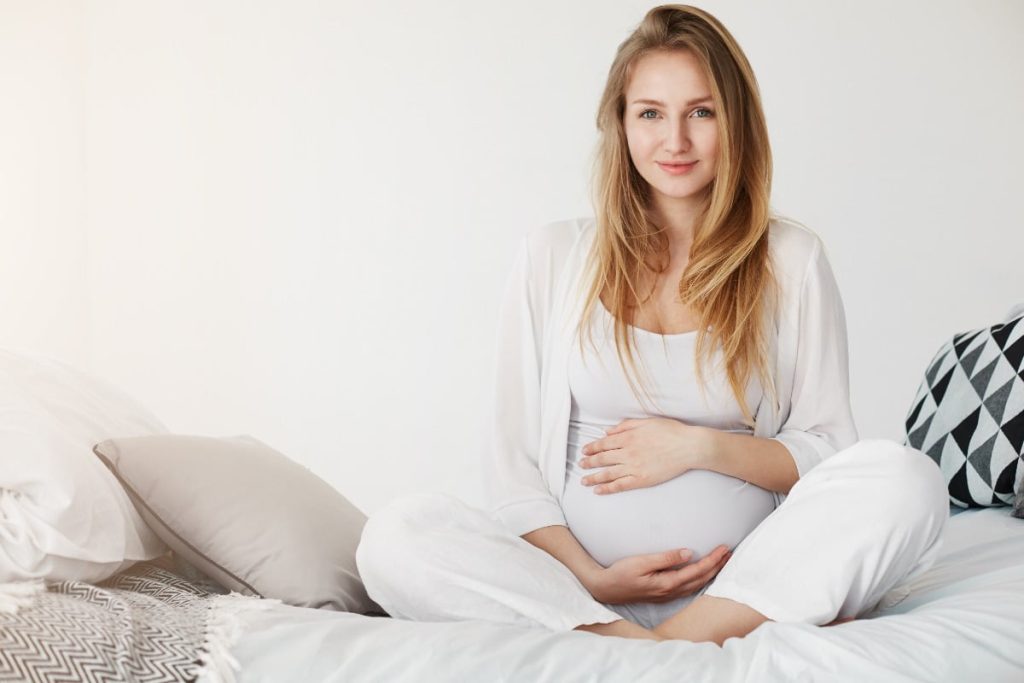
Your home’s air quality matters during pregnancy. Air pollution has been linked to low birth weight, premature birth, and other risks for mom and baby. Expecting mothers often make changes to ensure their bodies are healthy enough to carry a child and that their child will be born healthy. What a mother is exposed to during pregnancy can also affect her developing baby, which is why it’s smart to take precautions. Mothers know to eat a balanced diet and stay active. They stop drinking and smoking, and they avoid risky foods like unpasteurized soft cheeses and fish that are high in mercury. However, one factor that pregnant women may overlook is their home’s air quality. Pollutants in the air can affect women during their pregnancy and can also impact the unborn child’s health.
This article is for general information only and isn’t medical advice. Talk to your healthcare provider about any health concerns during pregnancy.
Common Indoor Air Pollutants in Your Home
Indoor air pollutants can sometimes be more concentrated than outdoor pollutants, especially in an enclosed space without sufficient ventilation. EPA studies have found higher levels of some pollutants inside homes than outside, whether those homes were in rural or highly industrial areas. According to the EPA, Americans spend about 90% of their time indoors, where concentrations of some pollutants are often 2 to 5 times higher than typical outdoor levels. Pollutants that can lower your home’s air quality include:
- Combustion gases: Gas furnaces, water heaters, stoves, and fireplaces can release carbon monoxide and nitrogen dioxide if they’re not working or venting properly. Annual furnace maintenance helps catch these problems early.
- Volatile organic compounds (VOCs): Paints, cleaning products, air fresheners, and new furniture can release chemicals into the air.
- Mold: Mold thrives when indoor humidity stays too high.
- Particulate matter and allergens: Dust, pet dander, pollen, and other particles brought into the house can circulate through your home.
- Secondhand smoke: Tobacco smoke is one of the most harmful indoor pollutants for pregnant women and babies.
Outdoor air can enter your home through infiltration, natural ventilation, or mechanical ventilation. If you notice more coughing, congestion, or allergy symptoms while you’re at home, your home’s ventilation or filtration may need attention, and you should also check in with your doctor. An HVAC company like Ellis AC can evaluate your home with indoor air quality testing and help reduce harmful pollutants in the air.
Air Pollution and Low Birth Weight
Research has linked higher air pollution exposure during pregnancy with lower birth weight. Mothers who are exposed to high levels of pollution during pregnancy may be at greater risk of giving birth to an underweight baby. Low birth weight means a baby is born weighing less than 5 pounds, 8 ounces.
Air Pollution and Premature Birth
Mothers who are exposed to excessive pollutants are also at risk for giving birth prematurely. In that NIH study, the highest risks were tied to rising exposure to pollutants like carbon monoxide and nitrogen dioxide. Babies born before the 37th week of pregnancy are at an increased risk of neurological disorders and physical disabilities. A premature baby may experience:
- Trouble breathing
- Heart problems
- Difficulty regulating body temperature
- An underdeveloped digestive system
Preterm birth is one of the leading causes of infant mortality in the United States, and many premature babies need around-the-clock care in the NICU.
Air Pollution and Autism Risk
According to a Harvard study, women exposed to high levels of fine particulate matter (PM2.5) during pregnancy, particularly in the third trimester, faced up to twice the risk of having a child on the autism spectrum compared with mothers in areas with low particulate levels. The study measured outdoor air pollution, but fine particles can also enter and build up indoors. Reducing your exposure to fine particle pollution during pregnancy is one practical step you can take, and high-quality filters paired with regular AC and furnace air filter replacement can help capture airborne particles in your home.
Asthma During Pregnancy and Childhood
Mothers with uncontrolled asthma may experience high blood pressure, which can lead to preeclampsia. They are also more likely to deliver their baby early. Exposure to air pollution during pregnancy may also increase the likelihood of the child developing asthma later in life, and some research has linked prenatal exposure to traffic-related pollution with a higher chance of childhood asthma.
If you have asthma, work with your doctor to keep it under control, and reduce common triggers at home, like dust, pet dander, and mold. A whole-home air purifier can help reduce airborne allergens throughout your house.
Air Pollution, Fertility, and Miscarriage Risk
Some studies have linked air pollution exposure to reduced fertility and a higher risk of miscarriage. Since it’s difficult to know exactly what you’re breathing in, taking precautions to improve your home’s air is worthwhile whether you’re trying to conceive or already expecting.
How to Improve Indoor Air Quality During Pregnancy
These simple steps can help you breathe cleaner air at home:
- Install carbon monoxide detectors near sleeping areas and on every level of your home, and test them regularly.
- Keep gas appliances maintained. Schedule yearly furnace service so combustion gases vent safely.
- Change your HVAC filter regularly to capture dust, pollen, and fine particles.
- Control humidity to prevent mold growth. A whole-home dehumidifier can help if your home stays damp.
- Ventilate while cleaning or painting. Choose low-VOC products, open windows when possible, and consider letting someone else handle painting projects, like setting up the nursery.
- Keep your home smoke-free, both indoors and in your car.
- Improve fresh air exchange. An energy recovery ventilator brings in fresh outdoor air without wasting heating or cooling energy.
Frequently Asked Questions
Can indoor air pollution affect my unborn baby?
Research has linked air pollution exposure during pregnancy to risks like low birth weight and premature birth. Improving your home’s air quality is a practical way to lower your exposure. Talk to your healthcare provider about your specific concerns.
Which indoor pollutants are most concerning during pregnancy?
Carbon monoxide, secondhand smoke, fine particles, and chemicals from paints and cleaners are among the most important to limit. Mold and allergens are also a concern, especially if you have asthma.
Is it safe to paint a nursery while pregnant?
Many pregnant women choose to let someone else paint. If you do paint, use low-VOC paint, keep the room well ventilated, and ask your healthcare provider for guidance.
How can I tell if my home has poor air quality?
Signs can include lingering odors, visible mold, excess dust, high humidity, and allergy or breathing symptoms that improve when you leave home. Professional air quality testing can identify what’s in your air.
Protect Your Family’s Air With Ellis AC & Furnace Repair
It’s important to maintain good air quality in your home at all times, but especially during pregnancy. If you’re experiencing respiratory problems or getting sick more often than usual, check in with your doctor, and give Ellis AC a call at 972-291-9316 or fill out a form to schedule a consultation. Our experts will inspect your home for ventilation and air quality problems and help fix them. We are dedicated to maintaining your HVAC system and keeping you and your family safe.